Why There Is No Definitive Version of Any Movie
From Blade Runner to RoboCop, movies exist in multiple cuts with no single definitive version — and that's unlikely to ever change.
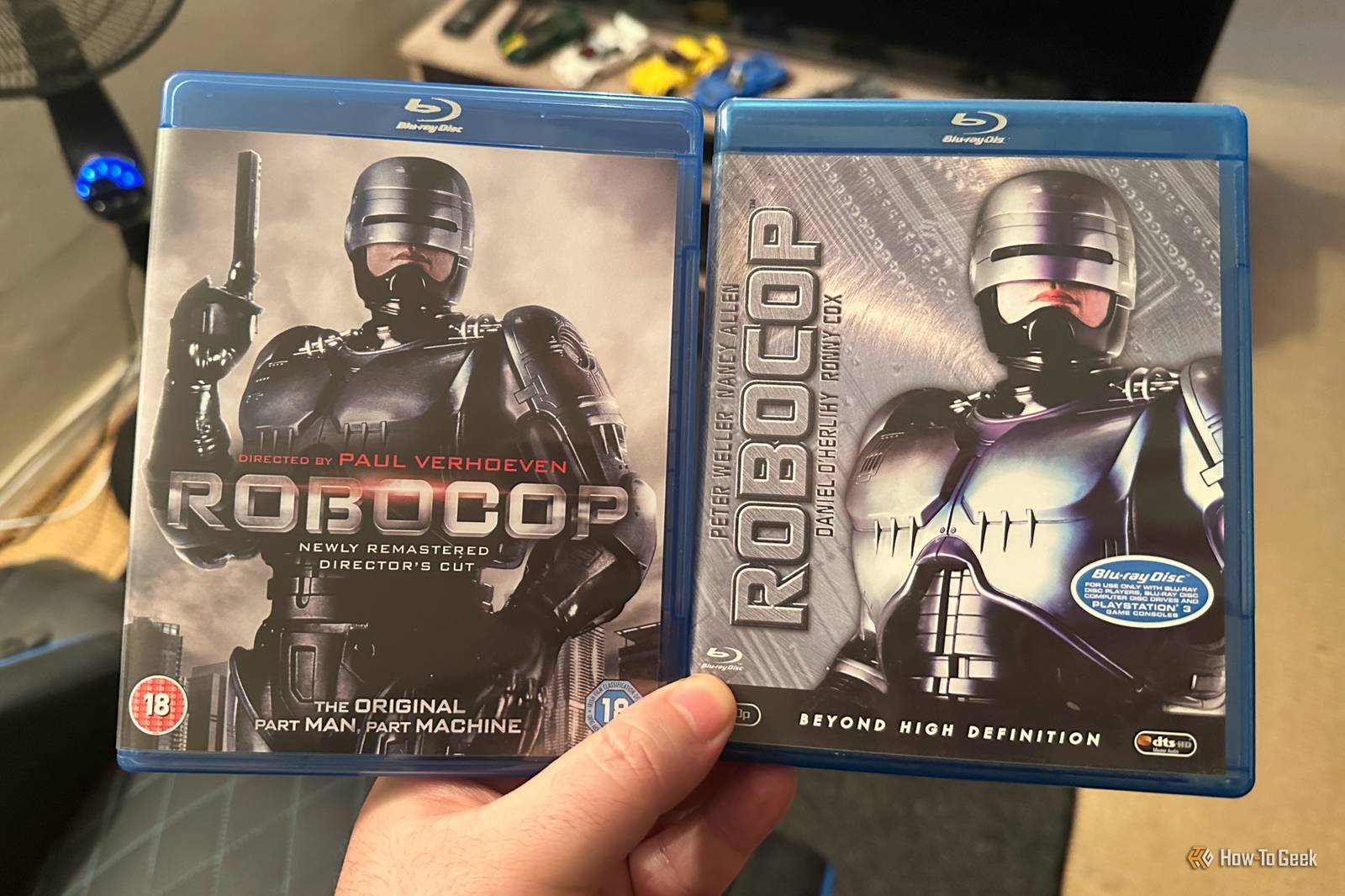
What you see up there are two copies of RoboCop. One is the version that people saw in theaters, and the other is the version that director Paul Verhoeven wanted people to see in theaters, but had to edit slightly to get past the ratings board.
The differences between the two cuts are very small. In fact, if you hadn’t seen the theatrical release a million times, you might not even notice. But a more interesting question is which of these two movies is the definitive one? Is it the one that people first saw and put it on the map? Or the original vision of its creators? The truth is that there probably is no such thing as a “definitive” version of a movie.
Blade Runner Proves That “The Definitive Cut” Is Subjective
This Director Never Yells “Cut!”
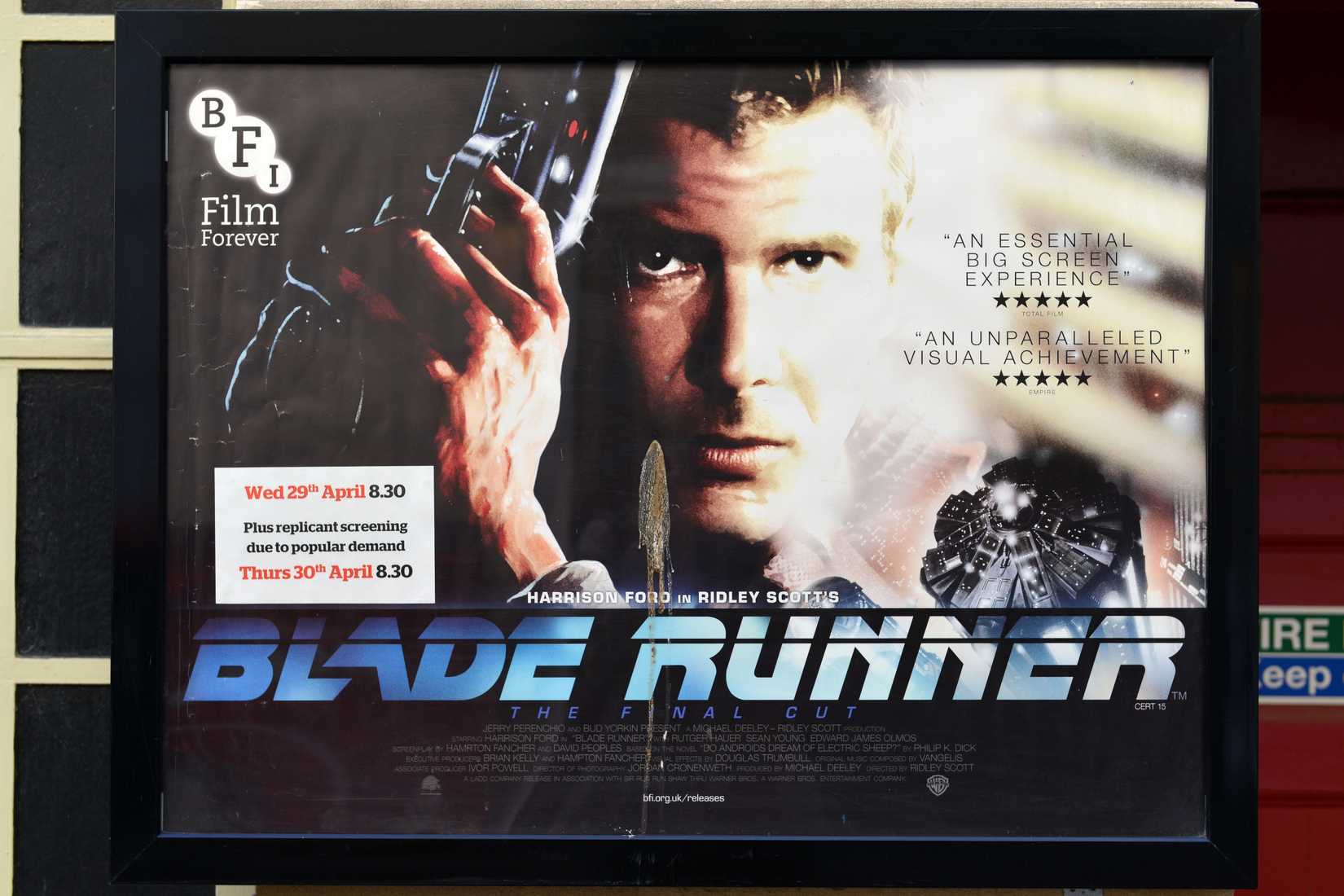
Blade Runner has existed as a workprint, US theatrical cut, international theatrical cut, 1992 Director’s Cut, and 2007 Final Cut, with meaningful differences in narration, violence, footage, and the ending. This famous cyberpunk pillar sparked plenty of controversy at its theatrical release. The producers thought the movie was too hard to understand and that audiences just wouldn’t get it.
So, they strong-armed Ridley Scott and Harrison Ford into recording narration that played throughout the film, spelling out what viewers were seeing and how they were meant to interpret events. Ford’s delivery of the narration is widely considered flat and poorly delivered. There’s a fan theory that Ford did this on purpose to sabotage the narration being included, but he’s denied that. However, Scott and Ford are both on record as hating the narration.
The 1992 Director’s Cut rips out the voice-over, adds a unicorn dream sequence that has deep implications for the plot, and gets rid of a tonally mismatched happy ending that was also studio-mandated. The 1992 cut ends up being a much better movie as a result.
In 2007, The Final Cut kept the positive changes from the 1992 version, extended the unicorn sequence, restored more violent versions of scenes cut from the original, and even included a reshoot of a scene where the stunt double was too obvious. The special effects were updated and the video and audio cleaned up — and that is how that version came to exist.
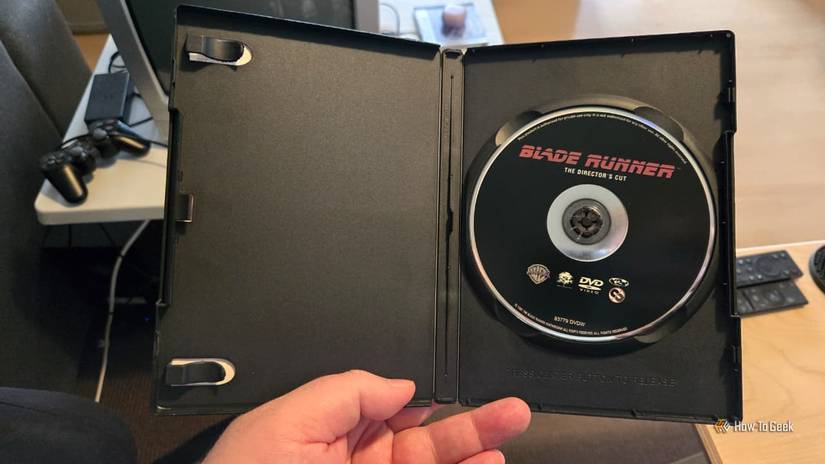
So which version of Blade Runner is the definitive one? The theatrical cut is what audiences originally experienced and what built the film’s reputation. The Director’s Cut reflects what Ridley Scott actually intended. The Final Cut is the most technically polished and creatively complete. Each version has a legitimate claim, and none of them cancels out the others — which is precisely why no single cut can ever be called truly definitive.