Why Curved TVs Disappeared After Years of Industry Hype
Curved TVs were hyped as the future of home entertainment. Here's why they failed to find an audience and vanished from the market.
We have all had that piece of tech that we were extremely excited about. Maybe yours was a new iPhone, Samsung Galaxy, a tablet, or a TV. I’ve had a lot myself, including a Nintendo Switch, some new smart home gadgets, and a 2-in-1 laptop. You tend to research when it’s coming out to find out the features that excite you the most and when you can snag it.
You might have seen a video or photo from a show like CES that excited you about what the future of technology is like. Those kinds of showcases are great for the industry, as are the product launches that each manufacturer has. One of the devices that got a lot of hype in the past 15 years was curved TVs. They seemed like they might be the future of home entertainment. Now, you can’t find them anywhere, and there are a few reasons why.
Curved TVs Were Set to Be a Big Deal
There Hadn’t Been Anything Like Them Before
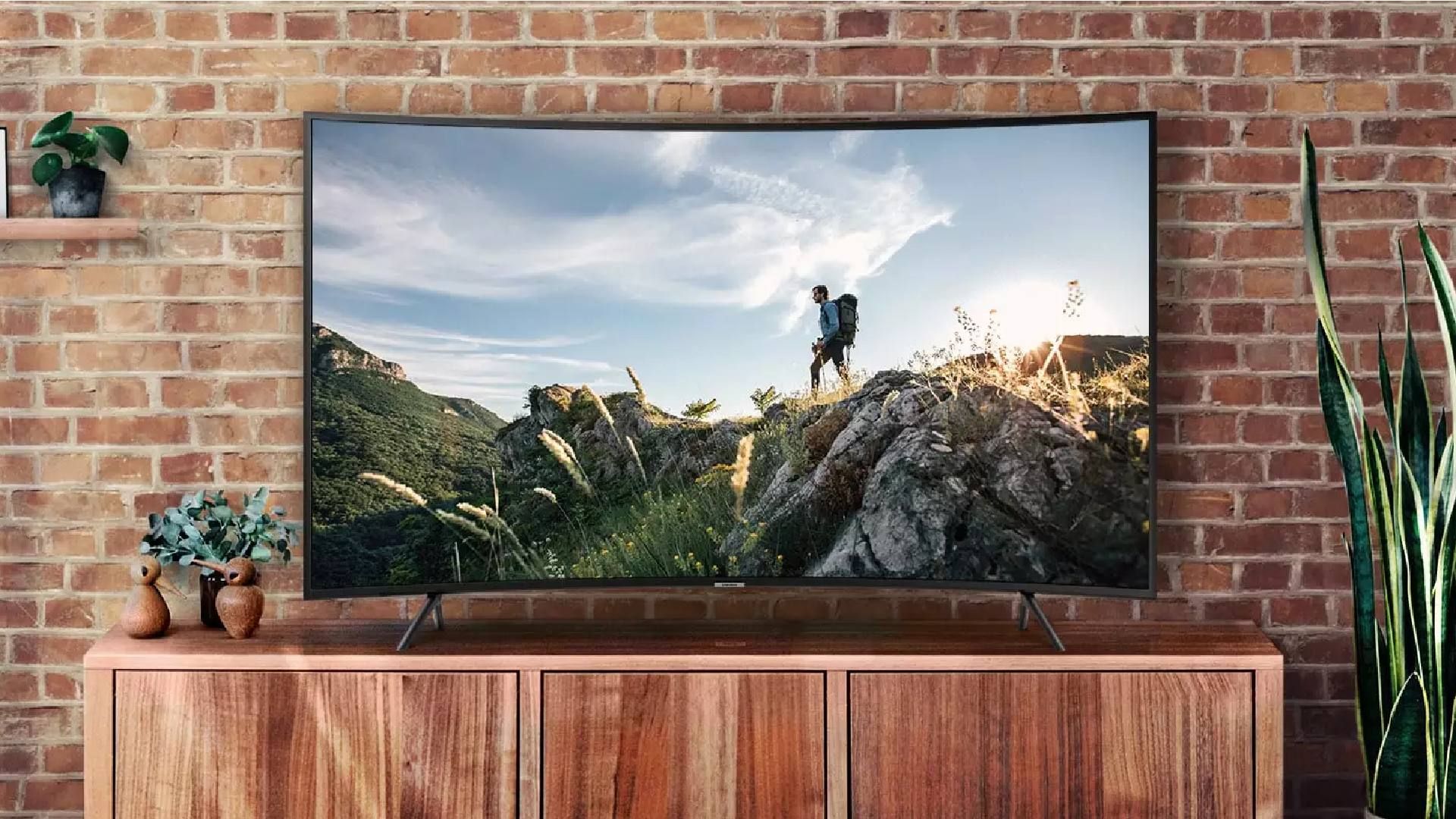
Back in 2013, curved TVs hit the market after a reveal at CES by Samsung. Samsung and LG were the two companies that made the big push to sell the new and unique technology.
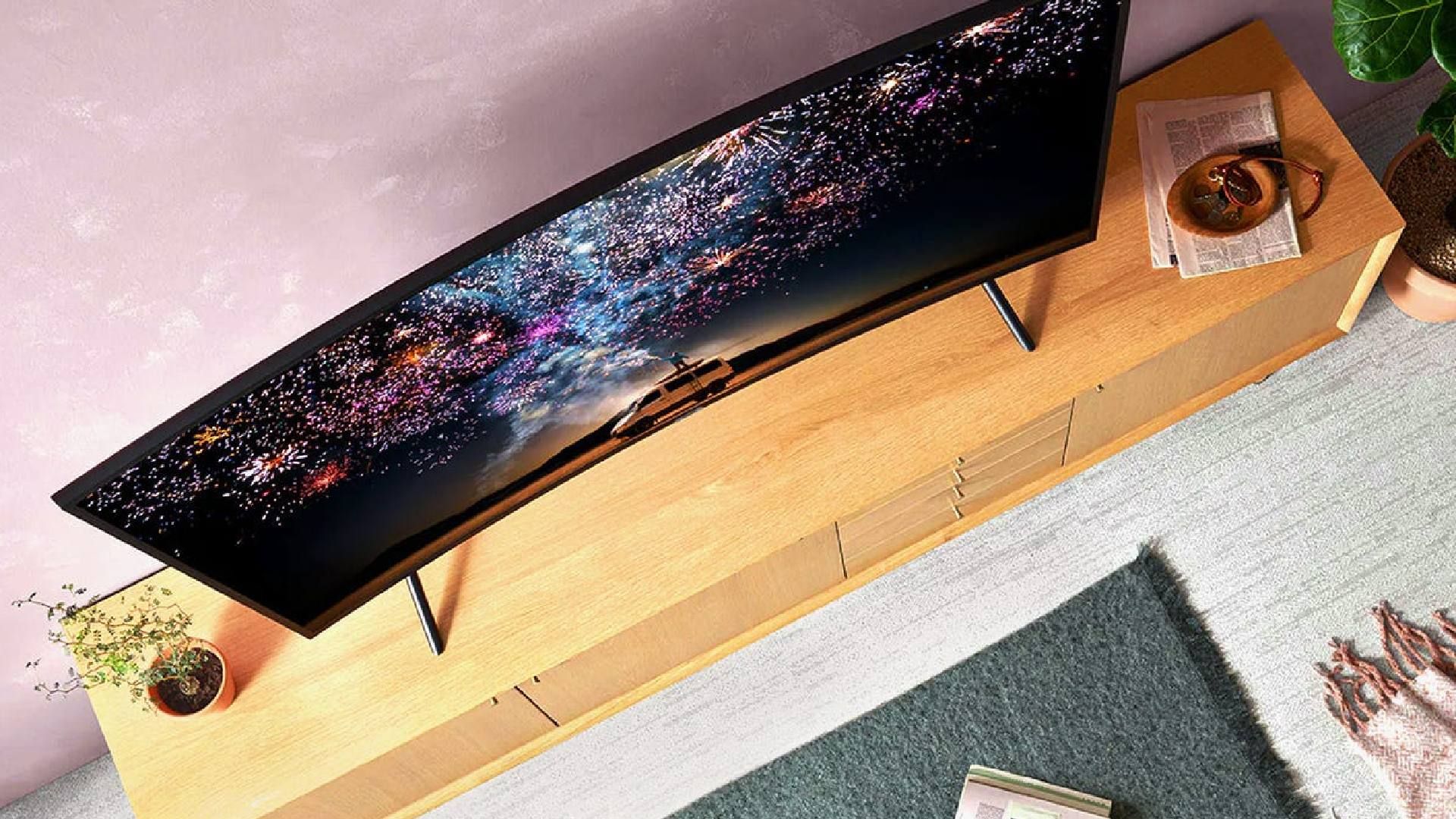
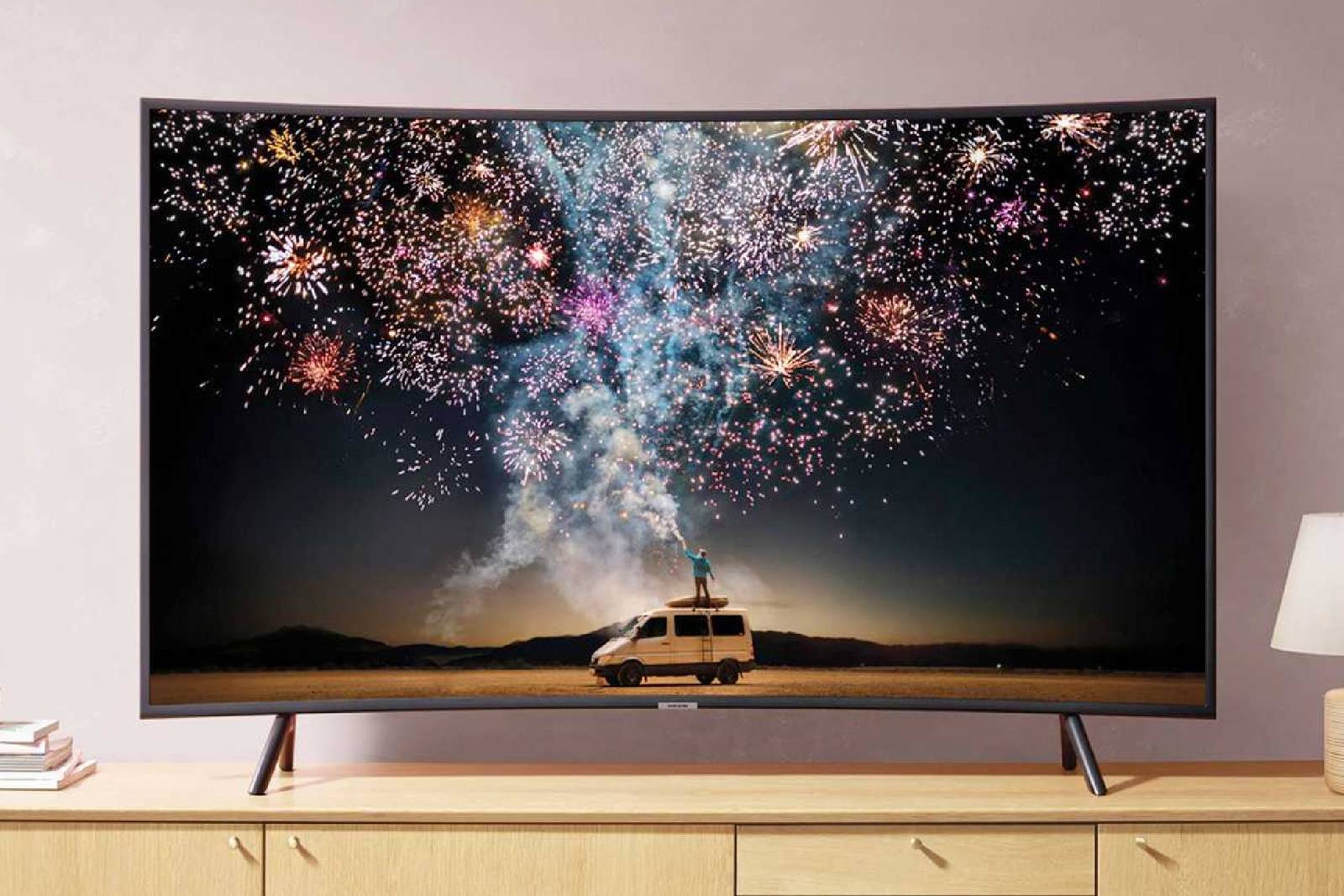
They weren’t the only ones, as TV manufacturers like Sony and Panasonic also wanted to cash in on the idea. The thing that made curved TVs such an appealing prospect was the draw of turning your home into a cinema-like atmosphere. The curve of the TV was supposed to make it feel like you were watching a big screen, providing a more immersive experience.
For anyone who has ever been to an IMAX theater, you know what it’s like to see a curved screen and how much it makes you feel like you’re a part of the movie. Samsung and others wanted to sell that idea to everyday users. If you can’t make it out to an IMAX theater, which are few and far between spread across the U.S., you can just watch something on your curved TV at home.
Curved TVs were early adopters of HDR technology and many highlighted OLED panels for sharper images. Many had infinite contrast to make the experience feel more like a movie theater.
By touting this kind of tech, they were priced higher than regular flat screen TVs, which were just seen as “normal” TVs by everyday standards. But what manufacturers failed to realize is that not everybody’s home is equipped to take advantage of curved TVs.
The Market Never Materialized for Them
People Who Did Buy Them Didn’t Love Them